After months of anticipation about doing the famous EBC trek, we made a U-turn due to budgeting demands and chose the Langtang Valley trek instead.
Both Georgina and I were bracing ourselves to stay in basic accommodation throughout, using wipes as showers, and watching common luxuries slowly disappear the further we ascended. None of this turned out to be true.
What shocked us the most was how easily accessible both of our pastimes were at various points along the trek, bakeries and snooker.
Bakeries
In Kathmandu, there is a strong French influence, which is surprising given that Nepal was never colonised. However, to the joy of many sweet-toothed travellers, bakeries and desserts are easy to come by.
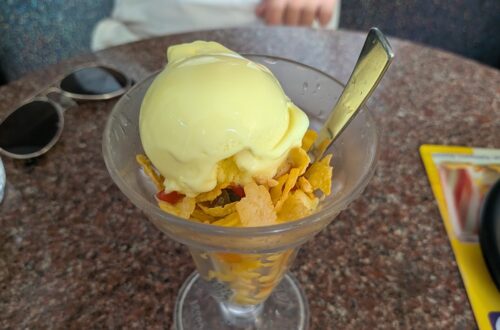
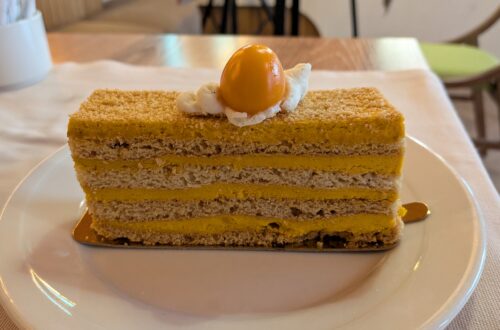
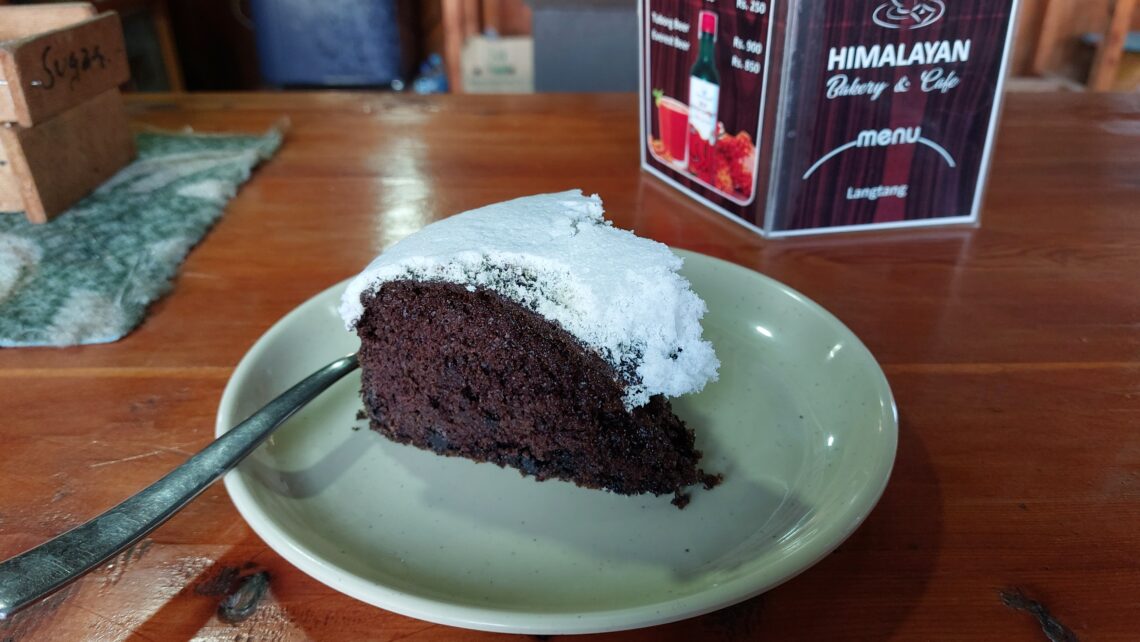
What we did not expect was to find bakeries more frequently than toilets along the Langtang Valley trek.
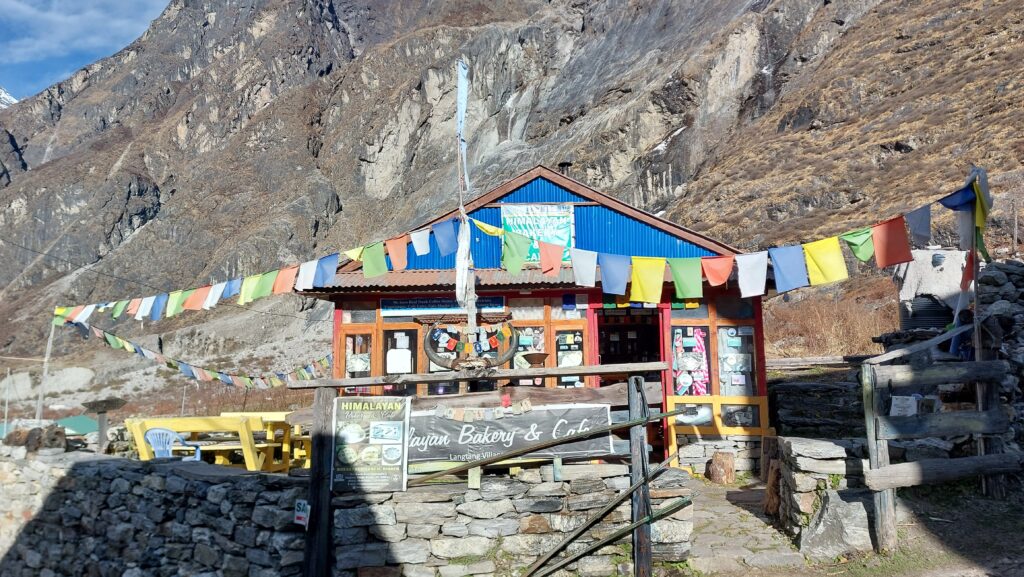
In both Langtang Village and Kyanjin Gompa, the second and final points of the trek, there’s an abundance of bakeries to try.
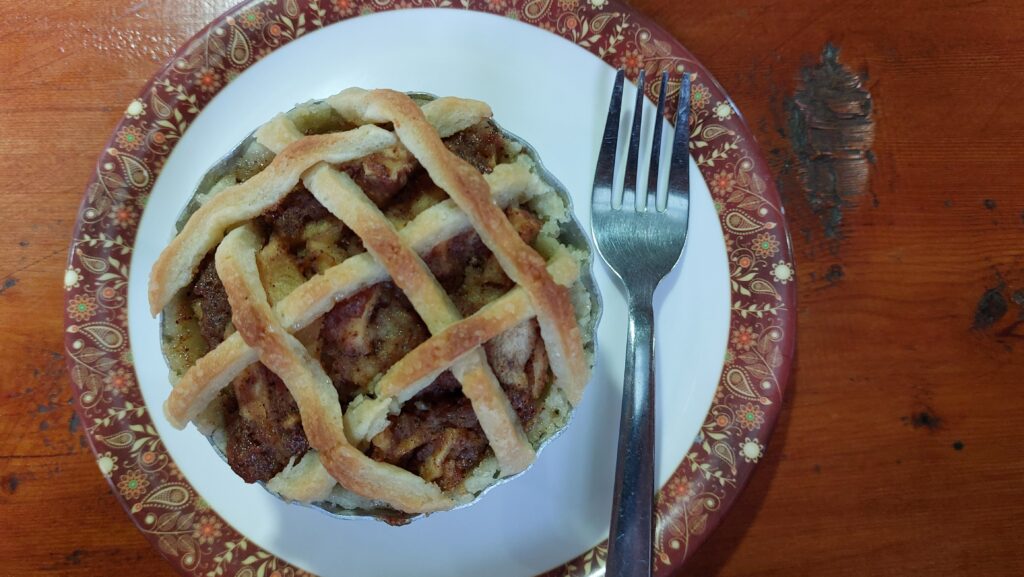
The bakeries served as great places to use free Wi-Fi, grab a coffee, and enjoy a slice of cake. Our highlight was an apple pie at Himalayan Bakery & Café, not remotely Nepalese, but we did not care.
Snooker
Snooker, a game that encourages play in dim light, cold rooms, and a noise-free atmosphere. Maybe Sheffield is not the right place to host the Snooker World Championships.
In the town of Kyanjin Gompa, sitting at 3,870 m, a full-size snooker table is available for tourists to play on as entertainment within the town.
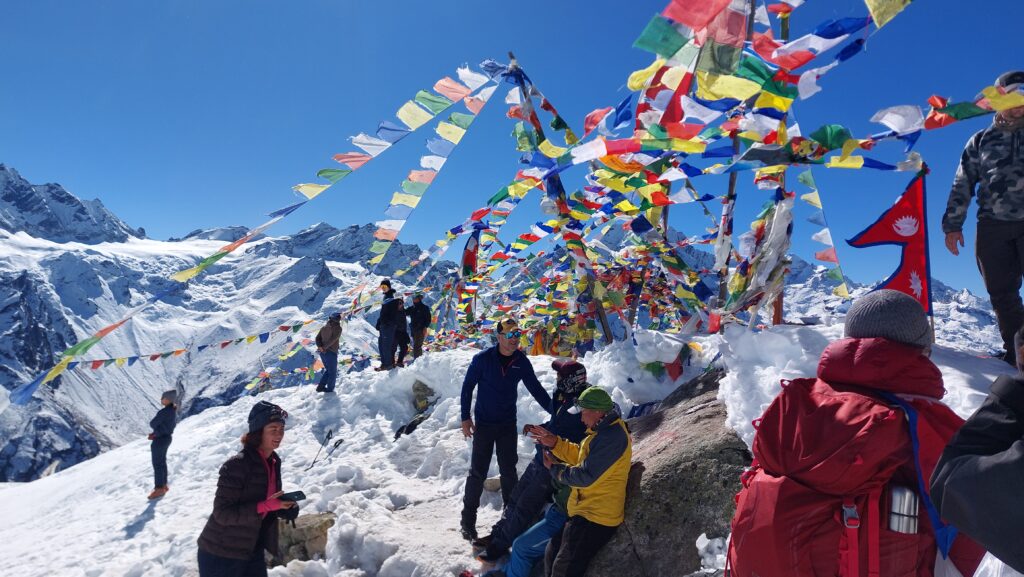
Sadly, Georgina and I were left exhausted after climbing Tserko Ri at 4,985m, so we never got the chance to play a few frames. However, some friends from our guest house told us about the fun they had during a tense frame that lasted well over an hour, much to the annoyance of locals waiting to get back on the table.
The cost to play is 900 rupees an hour, which is quite steep considering a game in Kathmandu costs around 150 rupees an hour. Once you realise the table had to be helicoptered in, though, the price makes a lot more sense.
Doing the Langtang trek
The Langtang Valley trek takes around 5 to 8 days, depending on whether you choose to summit Tserko Ri.
Our trek took 8 days in total, with 2 of those days spent travelling to and from Kathmandu to the starting point, Syabrubesi.
There is a lot of misleading information about whether you need a guide for this trek. You do not need one if you are confident trekking solo. The national park does not require a guide and will allow entry regardless.
We chose to hire a guide and went with the fantastic Milan. You can find his Instagram page here.
Breakdown of days
- Day 1: Travel by jeep from Kathmandu to the starting location, Syabrubesi (6 hours travel time).
- Day 2: Begin the trek from Syabrubesi to Riverside Hotel (9 hours walking time).
- Day 3: Trek from Riverside to Langtang Village. The valley starts to open up, with views of surrounding peaks and signs of the 2015 earthquake along the way (6 hours walking time).
- Day 4: Acclimatisation day. Trek to Kyanjin Gompa (3 hours walking time), then summit the lower nearby peak, Kyanjin Ri (4,450 m), before returning to Kyanjin Gompa.
- Day 5: Early start for the main climb of Tserko Ri (4,985 m). We left by 7am.
- Day 6: Descend from Kyanjin Gompa to Moonlight Hotel (8 hours walking time).
- Day 7: Continue the descent from Moonlight Hotel to Syabrubesi, marking the final trekking day (3-4 hours walking time).
- Day 8: Travel back to Kathmandu by jeep (6 hours travel time).